
Mobile App Development Cost in 2026
Mobile App Development Cost in 2026, mobile applications are no longer optional—they are a core part of business success. From startups to large enterprises, everyone is investing in mobile apps to improve customer engagement, increase revenue, and stay competitive.
But before starting, one critical question arises:
How much does mobile app development cost in 2026?
The truth is, there is no fixed price. App development costs vary based on complexity, features, design, technology, and team expertise. In this detailed guide, you will learn everything—from cost breakdowns to hidden expenses and expert tips to reduce your budget.
Key Factors Affecting Mobile App Development Cost
🔹 1. App Complexity (MOST IMPORTANT)
Mobile App Development Cost in 2026
The more complex your app, the higher the cost.
Breakdown:
- Basic App (₹50K – ₹3L)
- Simple UI
- No backend
- Example: Calculator, notes app
- Medium App (₹3L – ₹10L)
- Login system
- Database integration
- APIs
- Advanced App (₹10L – ₹40L+)
- AI features
- Real-time tracking
- High scalability
🔹 2. Features & Functionalities
Each feature adds development time and cost.
Common Cost-Adding Features:
- User authentication
- Payment gateway (Razorpay/Stripe)
- Push notifications
- Chat systems
- Admin dashboard
- AI chatbot
More features = more development hours = higher cost
🔹 3. Platform Choice
Options:
- Android Development
- Lower cost
- Larger user base
- iOS Development
- Premium audience
- Slightly expensive
- Cross-Platform (Flutter / React Native)
- One codebase
- Cost-effective
Best option for startups = Cross-platform
UI/UX Design Cost Breakdown
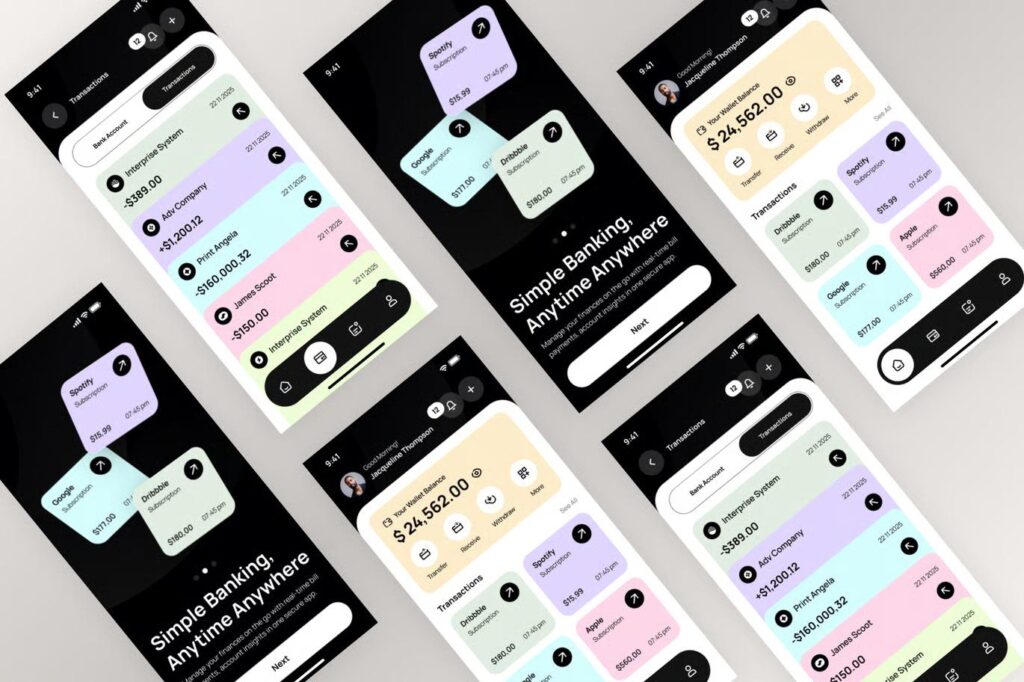
Mobile App Development Cost in 2026. A well-designed app improves user retention and engagement.
Cost Range:
- Basic UI: ₹20K – ₹50K
- Custom UI/UX: ₹50K – ₹2L+
Includes:
- Wireframes
- Prototypes
- User journey mapping
Development Team Cost (India vs Global)
| Team Type | Cost |
|---|---|
| Freelancer | ₹500 – ₹2000/hour |
| Small Agency | ₹1L – ₹10L/project |
| Large Company | ₹10L+ |
India is one of the most cost-effective markets for app development.
Complete Cost Breakdown (Step-by-Step)
| Stage | Cost |
|---|---|
| Idea & Planning | ₹20K – ₹50K |
| UI/UX Design | ₹50K – ₹2L |
| Development | ₹2L – ₹15L |
| Testing | ₹30K – ₹1L |
| Deployment | ₹10K – ₹30K |
| Maintenance | ₹10K/month |
App Types & Real Cost Estimates

Mobile App Development Cost in 2026.
E-commerce App
- ₹5L – ₹20L
- Payment, product, order system
Social Media App
- ₹10L – ₹40L
- Chat, feed, notifications
On-Demand Apps
- ₹15L – ₹50L
- GPS, real-time tracking
Education App (like your niche 🔥)
- ₹3L – ₹15L
- Video, quizzes, AI tools
Hidden Costs (MOST PEOPLE MISS THIS)
These can increase your budget significantly: Mobile App Development Cost in 2026.
- Google Play Store Fee ($25 one-time)
- Apple App Store Fee ($99/year)
- Server & Hosting (₹5K–₹50K/month)
- Maintenance & updates
- Third-party APIs
Expect 20–30% extra cost
How to Reduce Mobile App Development Cost
1. Start with MVP
Build basic version first → test market → scale later
2. Use Pre-built Solutions
Use templates & APIs instead of building from scratch
3. Choose Cross-platform
Save 30–40% cost
4. Prioritize Core Features
Avoid unnecessary features initially
Latest Trends Increasing Cost in 2026

Mobile App Development Cost in 2026.
- Artificial Intelligence (AI apps)
- AR/VR apps
- Blockchain-based apps
- Voice-enabled apps
These increase cost but give competitive advantage
Timeline for App Development
| App Type | Time |
|---|---|
| Simple | 1–2 months |
| Medium | 3–6 months |
| Complex | 6–12 months |
How to Choose the Right App Development Budget

Mobile App Development Cost in 2026.
Choosing the right budget for your mobile app development in 2026 is a critical step that can determine the success of your project. Many businesses either overspend on unnecessary features or underestimate the cost, leading to incomplete or low-quality apps. The key is to balance your budget with your business goals and target audience.
Start by clearly defining your app’s purpose and core features. Focus on solving a specific problem rather than trying to build everything at once. This approach helps in controlling costs and ensures faster development. It is also important to research your competitors and understand what features are essential in your industry.
Another smart strategy is to allocate your budget in phases. Begin with a Minimum Viable Product (MVP), test it in the market, gather user feedback, and then invest in additional features. This reduces risk and helps you make data-driven decisions.
Lastly, always keep a buffer budget of around 20% for unexpected expenses. Proper planning and smart budgeting can help you build a high-quality app without exceeding your financial limits.
Conclusion
Mobile app development in 2026 is a powerful investment, but it requires smart planning. Instead of focusing only on cost, focus on value, scalability, and user experience.
Start small, validate your idea, and scale gradually. With the right strategy, you can build a successful mobile app within your budget and grow your business digitally 🚀
